
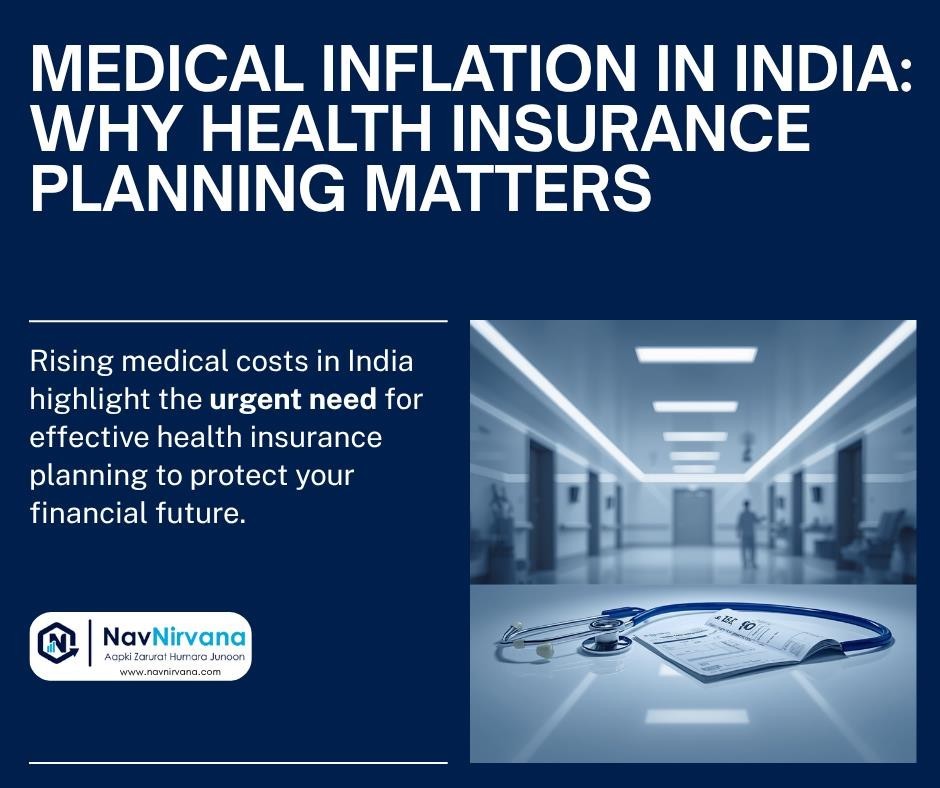
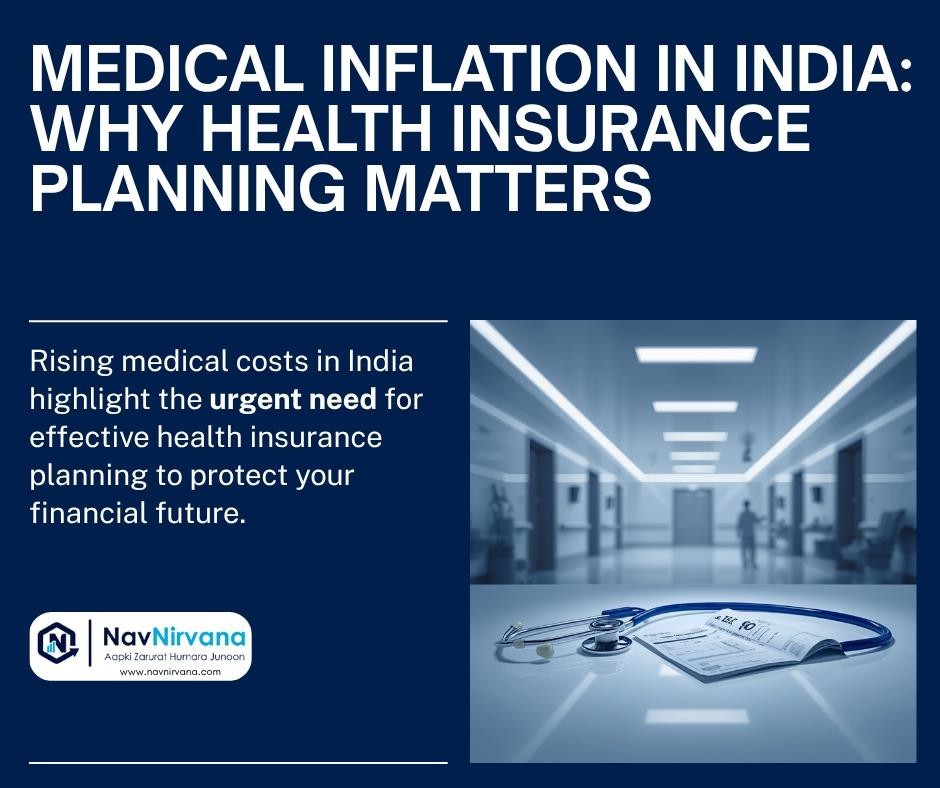
In 2010, a bypass surgery in a top private hospital in India cost approximately Rs. 1.5 to 2 lakh. Today, the same procedure in the same type of hospital can cost Rs. 4 to 6 lakh or more, sometimes significantly higher depending on complications, city, and hospital.
That is not just inflation, that is medical inflation. And it is rising much faster than the general cost of living.
If you have a health insurance policy with a sum insured of Rs. 2 lakh that you bought 10 years ago, you may want to revisit whether it still provides adequate coverage today.
What Is Medical Inflation and Why Is It So High?
Medical inflation refers to the increase in healthcare costs over time, including hospitalisation charges, doctor fees, diagnostic tests, medicines, surgical procedures, and ICU costs. In India, healthcare costs have been rising at a rate significantly higher than general consumer price inflation, with industry estimates often citing figures between 10% and 15% annually, though the actual rate can vary by city, hospital tier, and type of treatment.
Several factors drive this: the increasing cost of advanced medical equipment, rising specialist fees, greater demand for quality private healthcare, and the cost of newer medicines and technologies.
What This Means for Your Family
Let us put this in perspective. If healthcare costs rise at 10% per year, a procedure that costs Rs. 3 lakh today could cost approximately Rs. 7.8 lakh in 10 years. A sum insured that feels comfortable today may be woefully inadequate a decade from now.
For families relying on employer-provided group health insurance, the situation is even more precarious. Group covers are typically between Rs. 2 and 5 lakh per year, which may be sufficient for minor hospitalisations but can fall short in serious medical emergencies like cancer, heart surgery, or organ transplants.
Signs That Your Current Health Cover May Need a Review
You bought your health policy more than three to five years ago and have not enhanced the sum insured since. Your policy was primarily purchased for tax benefits under Section 80D rather than for comprehensive coverage. You rely only on your employer’s group insurance and have no personal health policy. Your family has grown- spouse, children, or elderly parents are now dependents. You live in a metro city where hospital costs are generally higher.
How to Plan for Medical Inflation
Review your sum insured regularly. A general guideline is to reassess your health insurance cover every three years. Consider whether the sum insured still reflects current hospitalisation costs in your city.
Consider a top-up or super top-up plan. These plans can significantly enhance your coverage at a relatively lower additional premium. They typically activate once a
threshold (called the deductible) is crossed, either in a single claim or cumulatively during the year.
Do not rely solely on employer cover. If you change jobs or face unemployment, your group policy lapses. Having an individual or family floater policy as a backup provides continuity of coverage.
Buy health insurance early. Premiums are typically lower when you are younger and healthier. Waiting until you have a health condition may result in higher premiums, waiting periods, or exclusions under the policy terms.
The Right Sum Insured Is Not a One-Time Decision
Medical inflation means your health insurance planning cannot be a one-time act. It requires regular review, much like your other financial plans. Think of it as a living protection that needs to keep pace with the rising cost of healthcare.
A qualified insurance advisor can help you assess whether your current cover is adequate and suggest options to enhance it in a cost-effective manner.
Please note: coverage features, sum insured options, and premiums vary across insurers and policy types. Policy terms and exclusions should be reviewed carefully. Consult a qualified advisor before making any changes to your health insurance.