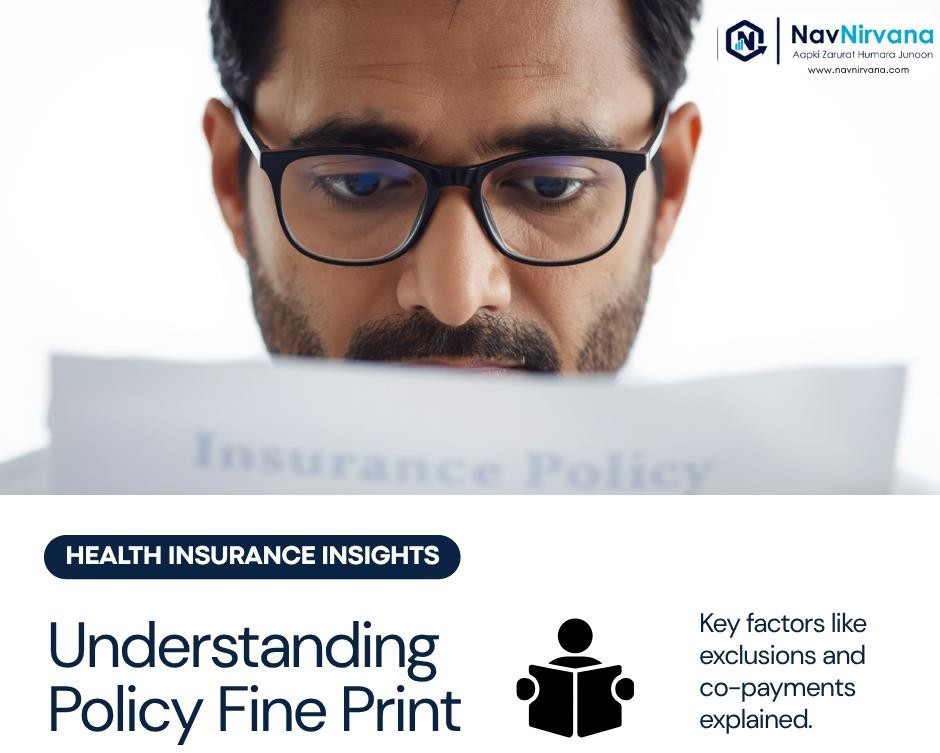
Rohan bought a health insurance policy in January. In April, he was diagnosed with kidney stones and needed surgery. He filed a claim and was shocked to find it was denied. His policy had a 90-day waiting period for specific illnesses, which he had not read about when he signed up.
This is not an unusual story. Many people discover the limitations of their health policy only when they actually need it.
Understanding the fine print before you buy, not after, is what separates a good insurance decision from an expensive surprise.
What Is a Waiting Period?
A waiting period is a specified time from the start of your policy during which certain claims are not admissible. Different types of waiting periods apply to different kinds of claims.
Initial waiting period: Most health policies have an initial waiting period of 30 days from the policy start date. During this period, claims for any illness (except accidents) are generally not covered. This is standard across most policies.
Pre-existing disease (PED) waiting period: If you have a pre-existing condition, such as diabetes, hypertension, thyroid disorder, or asthma – insurers typically apply a waiting period of two to four years before they cover treatment related to that condition. This period varies by insurer and policy.
Specific disease waiting period: Certain conditions like cataracts, joint replacement, hernias, or gallbladder issues may have a separate waiting period of one to two years, even if they are not pre-existing.
Maternity waiting period: Maternity benefits, where available, usually come with a waiting period of two to four years from policy inception.
What Is a Co-payment?
A co-payment (or co-pay) clause means that in the event of a claim, you, the policyholder, will bear a fixed percentage of the eligible claim amount. The insurer covers the remaining portion.
For example, if your policy has a 20% co-pay and your eligible claim is Rs. 1 lakh, the insurer pays Rs. 80,000 and you pay Rs. 20,000 out of pocket.
Co-pay clauses are more common in policies for senior citizens, in zone-based policies (where treatment is taken in a higher-cost city than what the policy covers), and in some employer group plans.
Before buying, check whether your policy has a co-pay clause, what percentage it is, and under what circumstances it applies.
What Are Exclusions?
Exclusions are conditions or treatments that your policy specifically does not cover. Some exclusions are standard across the industry; others vary by insurer and policy type.
Common permanent exclusions typically include: cosmetic or aesthetic treatments not arising from an accident, dental treatment (unless due to an accident), self-inflicted injuries, treatment for substance abuse, experimental or unproven treatments, and war-related injuries.
Temporary exclusions include pre-existing diseases during the waiting period and specific conditions during their applicable waiting period.
It is essential to read the list of exclusions in your policy document carefully. What is excluded in one policy may be covered in another.
How to Use This Knowledge When Buying Health Insurance
First, always disclose your pre-existing conditions honestly. Non-disclosure can lead to claim rejection even for unrelated conditions. Second, compare waiting periods across policies if you have existing health conditions. Third, choose a policy with no or low co-pay if you want to minimise out-of-pocket expenses. Fourth, read the exclusions list before buying, not just the brochure highlights. Fifth, if you are porting from one insurer to another, check whether your accumulated waiting period benefits transfer.
The More You Know, the Better You Are Protected
A health insurance policy is a legal contract. Its value lies not just in the sum insured but in what it actually covers when you need it. Taking the time to understand waiting periods, co-pay clauses, and exclusions can save your family from financial stress at the worst possible time.
Please review your policy document thoroughly and consult a qualified advisor if you have questions. Policy terms and conditions vary by insurer.
NavNirvana IMF – Read the fine print before you need the fine cover.